Why are my cookies flat? The five causes, in the order to check them
Flat, greasy, spread into one giant cookie — or the opposite, refusing to spread at all. Both come down to the same handful of variables.

You followed the recipe, and what came out of the oven is a thin, greasy sheet where twelve separate cookies used to be. This is the most common baking complaint there is, and it almost always traces back to one of five things.
Work through them in this order — the first two cause the large majority of cases.
1. Your butter was too soft
This is the number one cause, and it is usually invisible until it is too late.
"Softened" butter means it holds the dent of a finger but is not greasy, shiny or slumping. Around 18–20 °C. If your butter was left on a warm counter for hours, sat in sunlight, or was softened in the microwave, it is partly melted — and melted butter cannot hold air.
Creaming butter and sugar works because the sharp sugar crystals cut tiny air pockets into solid fat. Those pockets expand in the oven and hold the cookie up. Melt the fat and there are no pockets, so there is nothing to hold anything up. The dough simply flows.
Fix: take butter out 30–45 minutes before you bake, no more. If you have over-softened it, put it back in the fridge until it firms up rather than pressing on.
2. You skipped the chill
Even correctly creamed dough spreads if it goes into the oven warm. Cold fat takes longer to melt, which buys time for the edges to set before the middle can flow outward.
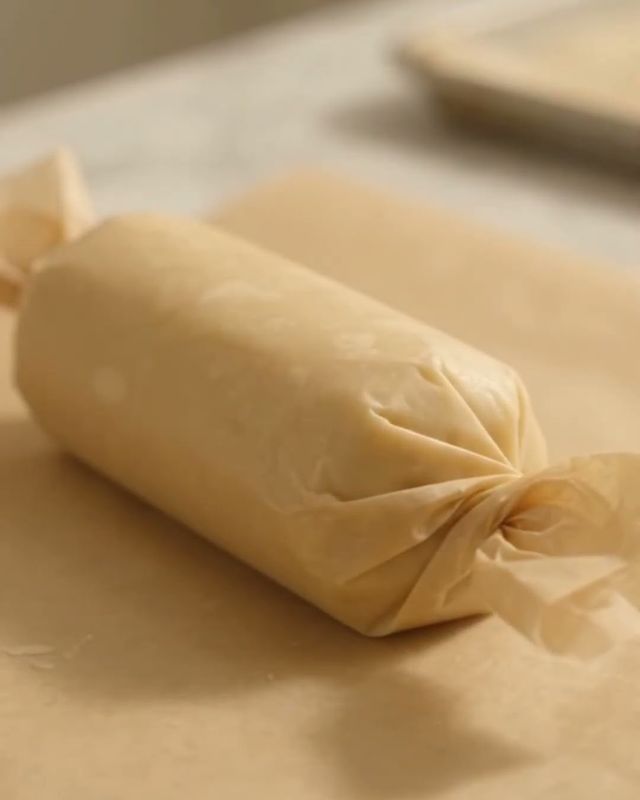
Fix: scoop the dough into balls, then 30 minutes in the freezer or 2 hours in the fridge. Scoop first — chipping at a solid block warms it in your hands and undoes the work. We go into the detail of what chilling actually changes in a separate piece on why chilling cookie dough matters.
3. There is not enough flour
Flour is the structure. Too little and there is nothing holding the shape.
The culprit is nearly always measuring by volume. A cup of flour scooped straight from the bag compacts and can weigh 140 g; the same cup spooned in loosely and levelled weighs about 120 g. That is a 15% swing, and it is more than enough to move a cookie from thick to flat.
Fix: weigh it. A cheap digital scale is the single best improvement most home bakers can make. If you have no scale, spoon flour into the cup and level it with a knife — never scoop.
4. There is too much sugar
Sugar is not just sweetness. It liquefies as it heats, and liquid sugar makes dough flow.
This is why a recipe heavy on sugar spreads more, and why cutting sugar produces a thicker, drier, paler cookie. It also affects browning, so you cannot simply cut it in half without changing everything else.
Fix: measure accurately, and if you are adapting a recipe, reduce sugar by no more than about 20% before expecting other problems.
5. The tray was hot
Putting dough onto a tray that just came out of the oven starts the butter melting before the cookies are even in. The bottoms also over-brown.
Fix: use a second cool tray between batches, or run the hot one under cold water and dry it. Never reuse a hot tray straight away.
Flat and greasy, specifically
If there are visible pools of fat around the cookies, the problem is fat rather than flour. Either there is genuinely too much butter for the flour, or the butter was melted rather than softened and never emulsified into the dough. Butter that has split out will not go back in — start again with properly softened butter.
The opposite problem: cookies that will not spread
Less common, but the same variables running the other way:
- Too much flour — again, usually from scooping.
- Dough too cold. Straight from a 24-hour fridge rest, dough may need 10 minutes on the counter before baking.
- Too much leavening. Excess baking powder puffs a cookie up and then it collapses into a dry dome.
- Not enough sugar or fat. Both are what make a cookie flow.
Two things that are not the cause
Old baking soda gets blamed constantly. Dead soda gives you a dense, slightly soapy cookie that does not rise — not a puddle. Test it in vinegar if you are unsure; it should fizz hard.
Parchment versus a greased tray matters less than people think, though a heavily greased tray does add fat and encourage spread. Parchment is the safer default.
The order to test
Change one thing at a time, and bake a test batch of two cookies before committing the whole tray. In order of likelihood: butter temperature, chilling, weighed flour, sugar quantity, tray temperature. It is almost always one of the first two.
Watching beats reading for this one — subscribe on YouTube for a new recipe every few days.
Make itDouble Chocolate CookiesFull recipe with measurements →
Common questions
Why are my cookies flat and greasy?
The butter was too warm or partly melted, so it never held any air and split out of the dough during baking. Use butter at around 18–20 °C that dents under a finger without being shiny, and chill the scooped dough for 30 minutes in the freezer before baking.
Why are my cookies not spreading at all?
Usually too much flour from scooping the cup straight into the bag, or dough taken straight from a long fridge rest. Weigh your flour, and if the dough has been chilled for many hours let it sit out for about 10 minutes before baking.
Does chilling cookie dough really stop them spreading?
Yes, it is the single most effective fix after butter temperature. Cold fat takes longer to melt in the oven, which gives the edges time to set before the cookie can flow outward. Thirty minutes in the freezer is enough.
Can old baking soda make cookies flat?
No. Expired baking soda gives a dense cookie that does not rise, not a flat greasy one. If you want to check it, drop some into vinegar — fresh soda fizzes vigorously.