Agar-agar vs. gelatin: which sets a no-bake cheesecake better
One comes from seaweed, one from animal collagen, and they behave nothing alike. Swapping them one-for-one is how no-bake desserts fail.
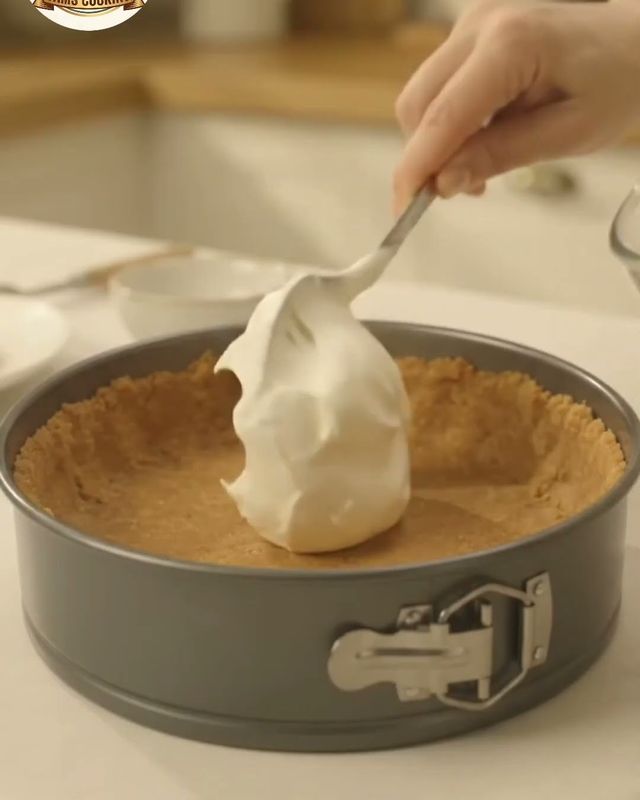
A no-bake cheesecake has no eggs and no oven, so something else has to hold it together. That job falls to a setting agent, and the two you will meet are gelatin and agar-agar. They are not interchangeable, and substituting one for the other at the same quantity is the most common reason a no-bake dessert ends up either soupy or rubbery.
What they are
Gelatin is collagen, extracted from animal bones and skin. It is a protein. When it cools it forms a loose mesh that traps liquid, which is why gelatin desserts jiggle and why they melt pleasantly in the mouth — body temperature is enough to break that mesh down.
Agar-agar comes from red seaweed. It is a carbohydrate, not a protein, and it forms a much tighter, more brittle gel. It is vegetarian and vegan, which is often the reason people reach for it.
The four differences that matter
1. Strength. Agar sets considerably harder. As a rough guide, agar is around three times stronger than gelatin by weight, so a straight one-for-one swap gives you a dessert with the texture of a rubber puck. Reduce the quantity substantially and test.
2. Temperature. This is the big one. Gelatin dissolves at around 50 °C — warm, not hot. Agar must be brought to a proper boil and held there for a minute or two or it will not activate at all. A no-bake dessert that never set is very often agar that was only warmed.
3. Setting point. Gelatin needs the fridge and several hours. Agar sets at room temperature, and it sets fast — around 40 °C, which means it can begin gelling while you are still stirring it in. Work quickly.
4. Mouthfeel. Gelatin melts on the tongue and gives that creamy, yielding texture people associate with classic cheesecake. Agar does not melt at body temperature. It gives a cleaner, firmer bite. Neither is wrong, but they are different desserts.
Why your agar cheesecake did not set
In order of likelihood:
- It never boiled. Warming is not enough. Agar needs a genuine rolling boil to hydrate.
- It was added to a cold mixture. Agar hits 40 °C and begins to gel instantly. Poured into cold yogurt or cream, it seizes into threads and lumps rather than distributing. Have the base mixture at room temperature, pour the hot agar in a thin stream, and whisk continuously.
- There was too much acid. Strong acid degrades agar. Lemon juice, a lot of fruit purée or very sour yogurt can weaken the set. Add acidic ingredients after the agar has been incorporated, and use a little more agar than you otherwise would.
- The brand is different. Agar comes as powder, flakes and bars, and their strengths are nowhere near equal. Powder is strongest. Always follow the packet — this is the one ingredient where the manufacturer's instruction beats any recipe.
Why your gelatin cheesecake did not set
It was boiled. The opposite problem. Gelatin is a protein and high heat denatures it; boiled gelatin loses much of its setting power. Dissolve it gently.
It was not bloomed. Powdered gelatin needs to sit in cold liquid for five minutes to absorb water before it is warmed. Skipping this gives you undissolved granules and a weak, gritty set.
Fresh pineapple, kiwi, papaya, mango or figs. These contain protease enzymes that cut protein chains apart, and gelatin is protein. They will destroy a gelatin set completely. Tinned versions are fine, because canning heat deactivates the enzymes. Agar is immune to this, since it is not a protein — which makes it the right choice for fresh tropical fruit desserts.
Which should you use?
Use gelatin when you want the classic creamy, melting cheesecake texture and there is no dietary reason to avoid it.
Use agar when you need it vegetarian or vegan, when the dessert has to hold up in a warm room, or when you are working with fresh tropical fruit.
A practical note: whichever you choose, test with a spoonful first. Put a teaspoon of the mixture on a cold saucer and give it two minutes in the fridge. If it sets, the batch will set. If it does not, you still have time to fix it — which you will not once four hours have passed and the whole thing is soup.
Watching beats reading for this one — subscribe on YouTube for a new recipe every few days.
Make itNo-Bake Cheesecake Without OvenFull recipe with measurements →
Common questions
Can I substitute agar-agar for gelatin one to one?
No. Agar sets roughly three times more strongly than gelatin by weight, so a one-for-one swap gives a rubbery result. Use substantially less and always follow the quantities on your packet, since powder, flakes and bars differ enormously.
Why didn't my agar-agar set?
Most likely it was never properly boiled. Agar has to reach a genuine rolling boil for a minute or two to activate; warming it is not enough. Adding it to a cold mixture also causes it to seize into threads instead of distributing.
Why won't my gelatin cheesecake set?
Either the gelatin was boiled, which destroys its setting power, or it was not bloomed in cold liquid first, or the recipe contains fresh pineapple, kiwi, papaya, mango or figs. Those fruits contain enzymes that break protein apart and will ruin a gelatin set.
Is agar-agar better than gelatin for cheesecake?
Neither is better, they are different. Gelatin melts at body temperature and gives the classic creamy texture. Agar gives a firmer, cleaner bite, is vegetarian and vegan, holds up in warm rooms and works with fresh tropical fruit.