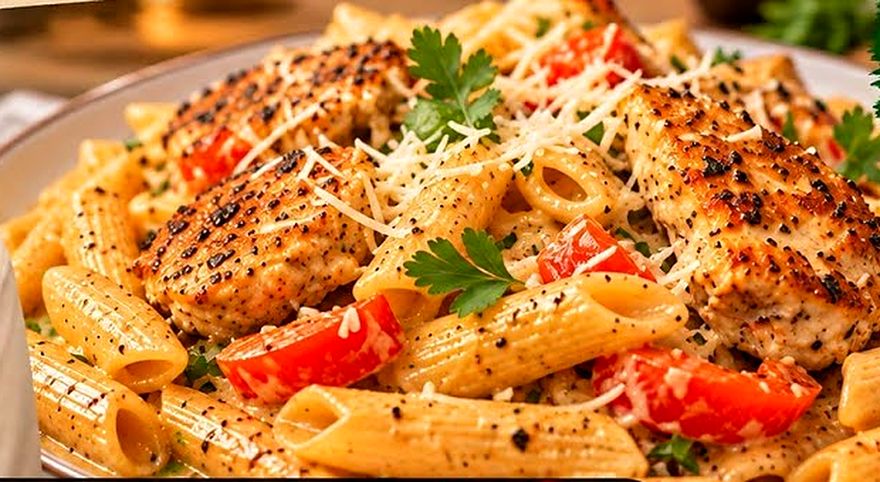
The starch trick that makes one-pan pasta sauces creamy
Cooking pasta in the sauce instead of draining it is not laziness — it is how you get a sauce that actually clings.
Most of us learned to cook pasta in a big pot of water, drain it, and pour sauce over the top. That works, but it throws away the most useful ingredient in the whole process — and it is why restaurant pasta clings to the fork while home pasta often sits in a puddle.
What the cloudy water actually is
Dried pasta is roughly three-quarters starch. As it cooks, some of that starch leaches out into the water, which is why the water turns cloudy and slightly thick. That cloudiness is dissolved and suspended starch, and it does two jobs at once.
First, starch granules absorb water and swell, which thickens the liquid. Second, and more importantly, starch acts as an emulsifier — it holds fat and water together in a stable mixture instead of letting them separate. That is exactly what a cream or butter sauce needs.
When you drain pasta down the sink, you are pouring away your thickener and your emulsifier, and then wondering why the sauce will not cling.
Why cooking pasta in the sauce works
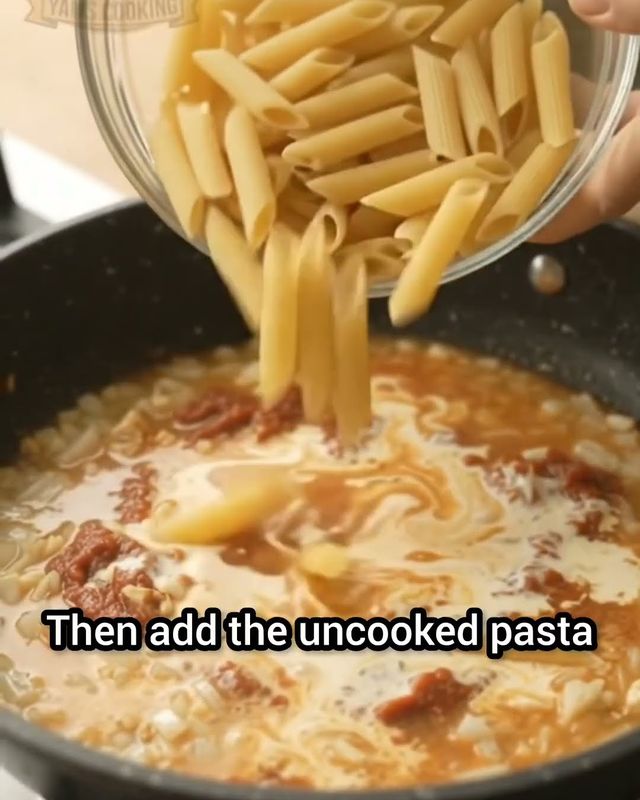
In a one-pan pasta, you add just enough liquid to cook the pasta, and the starch has nowhere to go. It stays in the pan and concentrates as the liquid reduces. By the time the pasta is done, the surrounding liquid has become a glossy sauce that coats every piece — without any flour, cornflour or roux.
There is a second benefit. Pasta absorbs whatever it cooks in. Boiled in plain water, it tastes of plain water and the sauce sits on the outside. Cooked in broth with tomato, garlic and cream, the flavour goes into the pasta itself.
Getting the liquid right
This is the only genuinely tricky part, and it is where most one-pan attempts go wrong in one of two directions: a stodgy claggy mess, or pasta swimming in thin liquid.
A workable starting point is about three cups of liquid per 340 g (12 oz) of dried pasta, but treat that as a beginning rather than a rule. Different shapes absorb differently, your pan may be wider or narrower, and your heat may be higher.
The practical approach is to hold some liquid back. Start slightly under, keep the remaining broth warm beside you, and add a splash whenever the pan looks dry before the pasta is done. Adding is easy; removing is not.
Stir more often than you would with boiled pasta. There is far less liquid, the pasta is in direct contact with the base of the pan, and it will catch and stick if you leave it.
Why the sauce breaks when you add the cheese
This is the other common failure: everything is going well, the cheese goes in, and the sauce turns grainy and oily.
Cheese is protein and fat held in a fragile structure. Above roughly 80 °C the proteins tighten and squeeze out their fat, and the sauce splits. The fix is simple: take the pan off the heat before the cheese goes in, then stir it through in handfuls, letting each one melt before the next.
Freshly grated cheese behaves better than pre-grated, which is coated in anti-caking starch or cellulose that can turn a sauce gritty. Grating your own takes two minutes and is the easiest upgrade to any cheese sauce.
If you do boil pasta separately
Sometimes a one-pan approach does not suit the dish. In that case, keep the starch anyway: save a mug of the cooking water before you drain.
Add it to the sauce a splash at a time while tossing the pasta through. It loosens a sauce that has gone too thick, and it also helps a thin sauce cling, because you are adding emulsifier rather than plain water. This one habit — a mug of pasta water on the counter before draining — improves almost every pasta dish you make.
Which shapes suit one-pan cooking
Short, sturdy shapes work best: penne, rigatoni, fusilli, shells. They hold their structure through the extra stirring, and their ridges and hollows trap the sauce.
Long thin strands are harder. They need to be fully submerged to cook evenly, which means more liquid, which dilutes the starch you were trying to concentrate. Spaghetti can be done one-pan, but it is the awkward case rather than the easy one.
Watching beats reading for this one — subscribe on YouTube for a new recipe every few days.
Make itChicken Cheese PastaFull recipe with measurements →
Common questions
Why is pasta water called liquid gold?
Because it is full of starch released from the pasta as it cooks. That starch thickens a sauce and acts as an emulsifier, holding fat and water together so the sauce clings to the pasta instead of sliding off. Always save a mug before draining.
How much liquid do I need for one-pan pasta?
Start with around three cups of broth per 340 g of dried pasta, but hold some back and add it as needed. Pan width, pasta shape and heat level all change the amount, and it is far easier to add liquid than to remove it.
Why did my cheese sauce turn grainy?
The pan was too hot. Above about 80 °C the proteins in cheese tighten and squeeze out their fat, splitting the sauce. Take the pan off the heat before adding cheese and stir it in a handful at a time.
Can I use spaghetti for one-pan pasta?
You can, but short shapes like penne, rigatoni or fusilli work better. Long strands need to be fully submerged to cook evenly, which means more liquid and a thinner, less starchy sauce.