Brown butter: five minutes that change a whole bake
Browning butter builds hundreds of new flavour compounds from an ingredient you were going to use anyway. It is the cheapest upgrade in baking.
Brown butter — beurre noisette, hazelnut butter — is butter cooked until its milk solids toast. It takes about five minutes, costs nothing beyond the butter you were already using, and adds a nutty, caramel, almost butterscotch depth that you simply cannot get any other way.
What is happening in the pan
Butter is roughly 80 percent fat, 16 percent water and 4 percent milk solids — proteins and milk sugars.
When you heat it, three things happen in sequence. First the butter melts. Then the water boils off, which is the loud foaming, spitting stage. Once the water has gone, the temperature can finally climb past 100 °C, and the milk solids left behind begin to toast through the Maillard reaction — the same browning chemistry that gives seared meat and baked bread their flavour.
Those toasting solids are the whole point. The fat itself barely changes; the flavour comes from the tiny brown specks.
How to do it
- Cut the butter into even pieces so it melts at the same rate.
- Use a light-coloured pan. Stainless steel is ideal. In a dark or non-stick pan you cannot see the colour, and colour is your only reliable signal.
- Melt over medium heat, swirling occasionally.
- It will foam loudly. That is the water leaving. Keep going.
- The foam subsides and the noise dies down. Now watch closely — from here it takes under a minute.
- Specks at the bottom turn golden, then amber. It will smell distinctly nutty.
- Take it off the heat immediately and pour it into a cold bowl, scraping every speck out with it.
That last step matters. A hot pan carries enough residual heat to take butter from perfect to burnt in the time it takes to find a bowl. Pour it out straight away.
The line between brown and burnt
There is no rescuing burnt butter. It turns acrid and bitter, and no amount of sugar hides it. The margin is roughly thirty seconds.
Trust your nose more than the clock. Brown butter smells nutty and sweet, like toasted hazelnuts. Burnt butter smells sharp and slightly bitter. The moment the smell changes character, it is gone.
If you are nervous, pull it a touch early. Slightly under-browned butter still tastes good. Burnt butter goes in the bin.
The one thing people get wrong in baking
Browning drives off that 16 percent water, so you end up with less butter than you started with. In a recipe where that water was doing structural work, the bake comes out dry or dense.
Two ways to handle it:
Weigh it. Weigh the butter before and after. Add back the difference in water or milk. Precise and dependable.
Or start with more. Roughly 15 to 20 percent extra butter covers the loss.
The other adjustment is temperature. Brown butter comes out of the pan as hot liquid, and hot butter scrambles eggs and melts sugar structure. Let it cool until it is barely warm before it meets anything else. For recipes that call for creamed softened butter, chill it until it is solid again, then cream as normal — the flavour stays.
Where it is worth using
Brown butter suits anything where a nutty, caramel note belongs: chocolate chip cookies, blondies, banana bread, cinnamon rolls, shortbread, frosting, and the browned-butter icing on a carrot cake.
It is less useful where you want a clean, pure dairy flavour — a delicate vanilla sponge or a light buttercream, where the toasted note fights what you are after.
Beyond baking it is excellent on pasta with sage, spooned over roasted vegetables, or stirred into mashed potato.
Making it ahead
Brown butter keeps in the fridge for about two weeks and in the freezer for three months. It is worth browning a whole block at once and keeping it ready, since the five minutes of attention is the only real cost — and doing it once for four batches is obviously better than four times.
Watching beats reading for this one — subscribe on YouTube for a new recipe every few days.
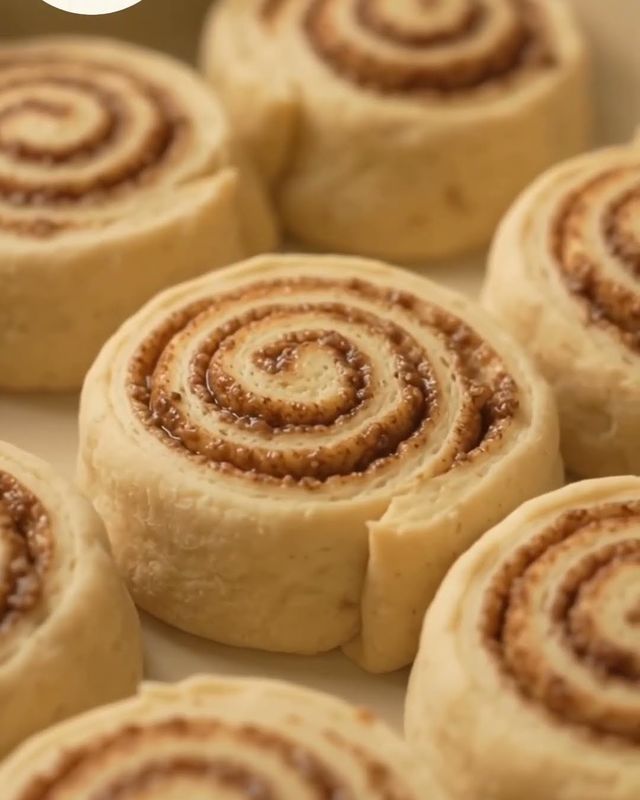
Make itEasy Cinnamon RollsFull recipe with measurements →
Common questions
What does brown butter taste like?
Nutty, toasted and slightly caramel, often described as hazelnut-like. The flavour comes from the milk solids toasting, not from the fat, which is why the little brown specks matter and should always be scraped into the bowl.
How do I know when brown butter is done?
The loud foaming stops, the specks at the bottom of the pan turn golden then amber, and it smells distinctly nutty. From that point it takes under a minute, so take it off the heat and pour it into a cold bowl immediately.
Do I need to adjust a recipe when using brown butter?
Yes. Browning evaporates about 16 percent of the butter as water, so you finish with less than you started with. Either weigh before and after and add back the difference in liquid, or start with 15 to 20 percent extra butter.
Can I brown butter in a non-stick pan?
You can, but it is much harder. A dark surface hides the colour of the milk solids, and colour is your main signal. A light stainless steel pan makes the difference between brown and burnt easy to see.